Introduction
Is your child ready to start sewing? A well-equipped Kids Sewing Kit can spark creativity and teach valuable skills like patience and problem-solving. In this article, we’ll discuss the essential items that should be included in a kids sewing kit. You’ll discover how the right tools can make sewing fun and educational for children.
Why a Good Kids Sewing Kit Matters
A well-curated kids sewing kit offers much more than just a collection of tools—it serves as an educational tool, fostering a child’s creativity and motor skills development. By providing children with the right materials and clear instructions, these kits make the sewing process enjoyable while teaching important life skills. This section explains the value of a good sewing kit for kids and how it enhances their learning experience.
The Value of a Well-Curated Sewing Kit for Kids
A good kids sewing kit is specifically designed to make sewing accessible and fun for children. It includes all the necessary tools—such as child-safe needles, fabric, and threads—to ensure kids can focus on creativity rather than struggling with inappropriate tools.
Key benefits:
● Ease of use: Child-friendly needles and soft fabrics make the sewing process smoother.
● All-in-one kit: Everything needed is included, eliminating the frustration of missing tools.
● Age-appropriate tools: Tools designed for younger children promote safe, effective learning.
These kits help children of various ages develop a love for sewing, allowing them to gradually progress to more complex projects as they grow.
How the Right Tools Enhance Learning and Make the Sewing Process Enjoyable
The right tools significantly enhance the learning experience, making it both educational and fun. When kids use tools that match their skill level, they’re more likely to stay engaged and feel accomplished as they progress through their projects.
Advantages of the right tools:
● Engagement: Kids can focus on creating, not fighting with their tools.
● Skill development: Sewing builds fine motor skills and concentration as children manipulate needles and fabric.
● Confidence: Completing projects boosts a child's sense of achievement, encouraging them to try more challenging tasks.
With each successful project, children develop patience and attention to detail, which are vital for both sewing and daily life activities.
Building Essential Life Skills: Responsibility, Problem-Solving, and Attention to Detail
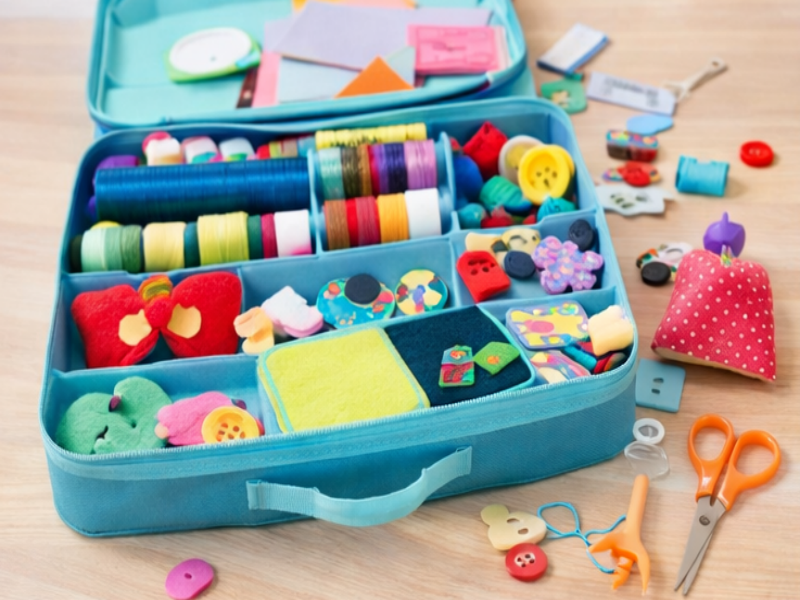
A kids sewing kit helps children develop key life skills such as responsibility, problem-solving, and attention to detail.
Life skills developed through sewing:
Life Skill | How Sewing Helps |
Responsibility | Children take ownership of their sewing kit and materials, learning to care for their tools. |
Problem-solving | Mistakes, such as running out of thread or making an incorrect stitch, teach kids how to solve problems creatively. |
Attention to detail | Sewing requires precision, and the process teaches children to focus on small tasks and complete them carefully. |
Must-Have Items for a Kids Sewing Kit
Creating the perfect kids sewing kit requires careful selection of tools that are both safe and easy for children to use. The right tools enhance creativity while ensuring a positive learning experience. Here are the must-have items for a well-rounded kids sewing kit.
Kid-Friendly Needles and Thread
Choosing the right needles and thread is essential for a smooth sewing experience. Small, sharp needles, like Chenille needles, are ideal for kids. These needles have larger eyes, making them easier to thread. Sharp needles also glide through fabric more easily, improving the overall sewing experience.
When selecting thread, embroidery floss or cotton threads are great options. These threads are colorful and easy to handle. They are also durable and less likely to break compared to lower-quality threads. Providing a variety of colors encourages creativity and helps children engage with their sewing projects.
Fabric Scissors and Cutting Tools
A good pair of fabric scissors is necessary for cutting fabric accurately and safely. Child-safe scissors, designed with rounded tips, prevent accidents while ensuring clean cuts. These scissors should be sharp enough to cut fabric without fraying the edges, yet safe enough for children to use independently.
It is crucial to use separate scissors for fabric and paper. Cutting paper with fabric scissors can dull the blades, making them less effective for future fabric projects. This practice teaches children the importance of caring for their tools and maintaining their quality.
Pins, Clips, and Pincushion
Pins and clips are essential for holding fabric pieces in place while sewing. Fabric clips are a safer option for younger children since they don’t have sharp points. They are easy to use and provide a safer alternative to pins. As children become more experienced, they can use pins with supervision.
A pincushion or magnetic pin holder is useful for storing pins and clips when not in use. This keeps the sewing space tidy and prevents accidents. A pincushion also helps children develop organizational habits and ensures that pins are easily accessible during sewing.
Marking Tools
Marking tools are necessary for adding lines, patterns, or designs to fabric before sewing. Pencils, chalk, or fabric markers are all good options. For darker fabrics, a white chalk pencil or fabric marker is ideal. These tools help kids make visible markings on their fabric, guiding them through their sewing project.
Washable fabric markers are a great choice for beginners. These markers leave temporary marks that wash out easily, so kids don’t have to worry about mistakes. Using marking tools teaches children how to work precisely and creatively with fabric.
Measuring Tools
Measuring tools are essential for teaching children the importance of accuracy in sewing. A measuring tape is perfect for larger measurements, while a seam gauge is ideal for more precise tasks like hem allowances or seam widths. Introducing measuring tools early helps children develop basic math and measurement skills.
Here’s a simple comparison of the two tools:
Tool | Use | Ideal For |
Measuring Tape | Measures larger sections of fabric | Large measurements, such as length and width |
Seam Gauge | Measures smaller sections accurately | Hem allowances, seam widths, and small measurements |
Using a measuring tape allows children to measure larger sections of fabric, while a seam gauge helps them focus on smaller, more detailed measurements. Both tools are important for ensuring that projects are done correctly and with attention to detail.
Safe and Fun Sewing Projects for Kids
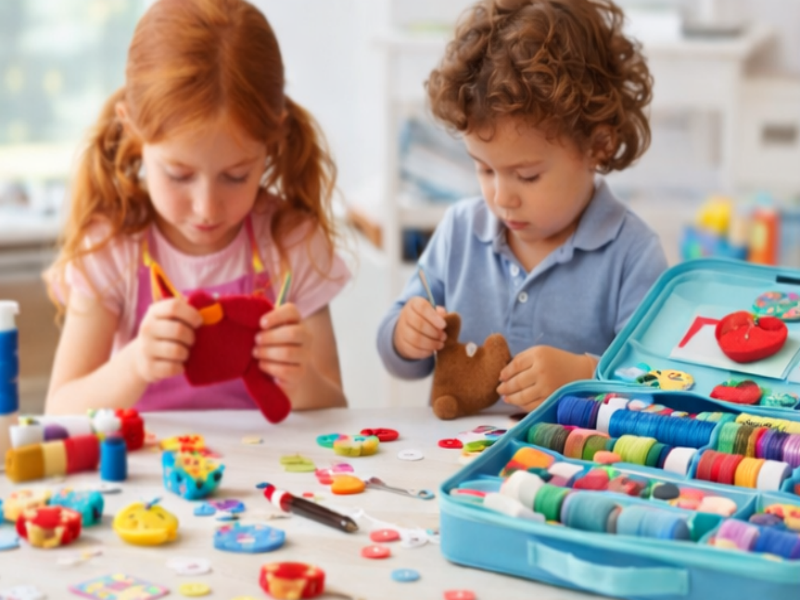
Sewing projects are a great way to help children develop important skills while having fun. These projects provide hands-on experience with sewing, encouraging creativity and teaching patience. Below are some beginner-friendly sewing project ideas and tips on how to supervise children based on their age and skill level.
Beginner Projects for Kids
Starting with simple sewing projects allows kids to gain confidence and develop basic skills. Here are a few easy and enjoyable sewing projects for children:
● Felt Animals: Felt is easy to work with, and making felt animals like a bear or rabbit is a great way for kids to practice basic stitches. These projects usually involve minimal stitching and allow for plenty of creativity in decorating.
● Bookmarks: A simple project where children can use fabric or felt to create personalized bookmarks. This task helps them learn to sew straight lines and experiment with design ideas.
● Pillowcases: A fun, functional project that helps kids practice sewing straight edges. They can make their own pillowcases, learn about hemming, and even personalize them with patterns or colors they like.
These beginner projects help children complete something tangible and rewarding, which builds their confidence and keeps them motivated to continue learning.
Age-Appropriate Supervision Tips
As children progress with their sewing skills, the level of supervision required will change based on their age and experience. It’s important to know when to step in and when to allow independence.
Age Group | Supervision Level | Recommended Tools | Safety Tips |
Under 8 years old | Hands-on assistance: Help with threading needles, using scissors. | Child-safe scissors, plastic needles | Always supervise when using sewing tools. |
8 years and older | Encourage independence: Allow them to handle most tasks, with occasional checks. | Plastic or safety needles, fabric clips | Periodically check for safety, especially with sharp tools. |
Conclusion
A Kids Sewing Kit should include essential tools like needles, thread, scissors, and fabric clips. Parents can customize the kit based on their child’s age and interests. With the right tools, children can enjoy hours of creative and educational fun. Taizhou Goldensun Arts&Crafts Co., Ltd. offers a range of high-quality sewing kits that foster creativity and skill development, providing a perfect starting point for young crafters.
FAQ
Q: What should be included in a kids sewing kit?
A Kids Sewing Kit should contain essential tools such as child-safe needles, thread, fabric scissors, and pins. Including easy-to-handle tools ensures a smooth sewing experience for beginners.
Q: How can a kids sewing kit benefit children?
A Kids Sewing Kit helps children develop fine motor skills, creativity, and patience. By working with simple sewing tools, kids enhance their problem-solving abilities and attention to detail.
Q: What are the best tools for a kids sewing kit?
The best tools for a Kids Sewing Kit include plastic safety needles, soft fabric, child-safe scissors, and washable marking tools. These tools are suitable for young learners and ensure safety while sewing.