Plush toys have evolved significantly over the last decade. They are no longer just passive objects for comfort. Today, they serve as active developmental tools for growing children. Parents and educators increasingly demand screen-free, responsive play options. These tactile toys support crucial cognitive milestones without causing digital fatigue. Finding the right balance between entertainment and education remains a challenge for many buyers. A well-integrated sound module plush toy bridges this gap perfectly, provided it meets strict safety, acoustic, and durability standards. This guide breaks down the developmental benefits you should look for. We explore technical evaluation criteria and strict manufacturing standards. You will learn exactly what to verify before making a purchasing or sourcing decision.
Key Takeaways
Developmental ROI: Interactive plush toys encourage speech imitation, teach cause-and-effect, and provide screen-free sensory engagement.
Market Premium: Consumers demonstrate a willingness to pay a 20–30% premium for toys with reliable sound, motion, or sensor-based interactions.
Safety is Non-Negotiable: True evaluation requires verifying compliance with strict international standards (ASTM F963, CE, CPSIA) and child-proof battery enclosures.
Maintenance Realities: The longevity of an interactive plush toy depends heavily on the accessibility of its electronic components for battery replacement and fabric washing.
The Developmental and Commercial Case for Interactive Features
Modern playrooms face a common struggle. Children crave the immediate feedback they get from tablets and smartphones. However, prolonged screen time often leads to sensory overload. Tactile, screen-free alternatives offer a much healthier solution. An interactive plush toy provides the responsive engagement children want. It delivers this interaction in a safe, soft, and comforting format.
Occupational and speech therapists frequently emphasize the value of responsive play. Repetitive, interactive toys naturally encourage vocal imitation. A child hears a sound, processes it, and attempts to mimic the pronunciation. This feedback loop is essential for early language acquisition. We call this process audiovisual association. Pressing a soft paw to hear a specific melody reinforces memory. It helps toddlers recognize patterns and associate physical actions with auditory outcomes.
From a commercial perspective, interactive features drastically elevate standard products. Market data consistently indicates a higher perceived value for these items. Parents willingly invest more in toys offering distinct educational benefits. Interactive modules transform basic stuffed animals into premium gift categories. They drive higher customer satisfaction and encourage repeat purchases. Retailers see stronger retention when they stock high-quality, durable interactive lines.
Highlight specific cognitive benefits on product packaging.
Demonstrate the cause-and-effect mechanism clearly in marketing materials.
Position the item as a therapeutic tool for speech and motor skill development.
Solution Categories: Types of Interactive Plush Modules
Manufacturers integrate various electronic modules to achieve different play experiences. Understanding these categories helps you select the right product for your specific audience. We can categorize these modules into three main types.
Standalone Sound Modules: These are the most common interactive components. They rely on basic push-to-play mechanics. A child squeezes a specific area to trigger a pre-recorded audio file. A great example is a farm animal plush toy featuring realistic animal noises. This simple design effectively teaches toddlers basic sound-object association.
Voice Recording Modules: These modules add a deeply personal touch. They allow parents or children to record custom messages. The toy then loops these recordings upon activation. This feature holds immense emotional value. It provides comfort for children dealing with separation anxiety. Grandparents often use them to leave lasting voice messages for their grandchildren.
Combo Modules (Sound + Light/Motion): These advanced units offer multi-sensory designs. You might find LED soothing nightlights paired with lullaby music boxes. They rely on complex sensor triggers. Accelerometers detect when a child shakes or bounces the toy. Touch sensors activate responses when a child hugs the product tightly.
Each module type serves a unique purpose. Basic sound units suit educational fundamentals. Recording modules focus on emotional connection. Combo modules provide immersive, multi-sensory stimulation.
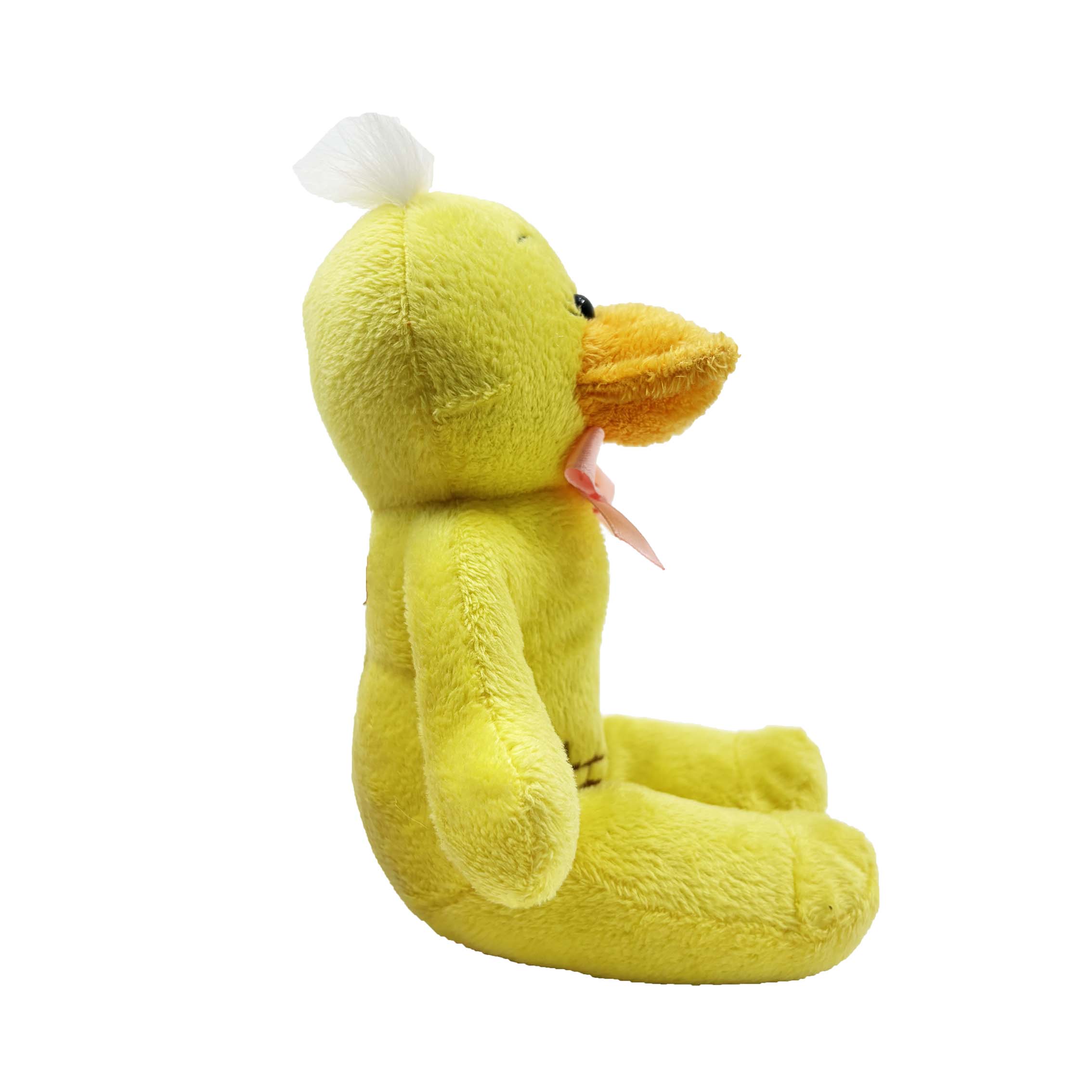
Evaluating a Sound Module Plush Toy: A Buyer’s Framework
You cannot judge an interactive toy purely by its exterior. The internal hardware dictates the actual play value and safety. Buyers must apply a strict evaluation framework before committing to a purchase.
First, examine the acoustic quality. Cheap modules often produce distorted, tinny audio. Poor sound quality ruins the play experience and frustrates the child. You must also verify volume control capabilities. Evaluate whether the toy has built-in decibel limits. Pediatric hearing is highly sensitive. Sounds exceeding 85 decibels can cause long-term damage. Quality toys also feature volume toggles for parental sanity.
Safety compliance is entirely non-negotiable. International regulatory bodies maintain strict guidelines for electronic toys. You must request documentation proving compliance. A reliable toy will meet multiple regional standards.
Essential Safety Standards for Interactive Plush Toys |
Standard | Region | Primary Focus |
ASTM F963 | United States | General toy safety, mechanical hazards, and acoustics. |
CE / EN71 | European Union | Material toxicity, flammability, and physical safety. |
CPSIA | United States | Lead limits, phthalates, and mandatory third-party testing. |
RoHS | Global | Restriction of hazardous substances in electronic components. |
Beyond certifications, inspect the physical construction. The battery compartment must feature strict security measures. It should require a screwdriver to open. This prevents accidental button-battery ingestion, which is a severe medical emergency. Check the stitching around the module insertion points. Loose threads create choking hazards.
Finally, consider ergonomics. The internal module must be compact. It needs adequate padding. A bulky, hard plastic housing ruins the core function of any plush toy: huggability.
Matching Features to Developmental Stages
Children require different stimuli as they grow. Buying the wrong toy for a specific age group leads to disengagement or safety risks. You must match the interactive features to the child's developmental stage.
Infants (0-12 Months)
Infants need sensory soothing, not complex interaction. Look for continuous-play modules. White noise generators and simulated heartbeat sounds work best. These mimic the womb environment. Safety is the highest priority here. The toy must have absolutely zero detachable parts. Visual elements should feature high-contrast colors, like black and white patterns, to stimulate developing eyesight.
Toddlers (1-3 Years)
Toddlers begin exploring their environment actively. They focus heavily on cause-and-effect relationships. Require large, easy-to-trigger buttons. A child might squeeze a paw to initiate a basic sound or a short song. The interaction should offer immediate, predictable feedback. This builds confidence and refines fine motor skills.
Preschoolers (3-5 Years)
Preschoolers engage in imaginative roleplay. They can handle complex, multi-step interactions. Toys suited for this age group often feature voice-repeat functions. They might include habit-building prompts, like specialized songs for brushing teeth or cleaning up. The toy becomes a companion in their daily routines.
Developmental Stage Feature Matrix |
Age Group | Primary Focus | Ideal Interactive Feature | Key Safety Priority |
0-12 Months | Sensory Soothing | Heartbeat, White Noise, Lullabies | No small parts, secure seams |
1-3 Years | Cause-and-Effect | Animal sounds, Push-button songs | Durable switches, drop resistance |
3-5 Years | Roleplay & Habits | Voice repeat, Multi-step sensors | Battery longevity, clear audio |
Implementation Risks and Maintenance Realities
Electronics and soft fabrics do not naturally mix. This creates inherent maintenance challenges. Buyers must understand these realities to ensure the toy lasts.
The hygiene dilemma is the most common issue. Children drop toys in dirt, spill food on them, and carry them everywhere. They require frequent washing. However, water destroys electronic sound boxes. We recommend evaluating whether the toy features a removable module. The best designs use secure Velcro or zipper pouches hidden beneath fabric folds. This allows parents to remove the electronics and machine-wash the plush exterior.
Component failure is another reality. Cheap manufacturing leads to high defect rates. You should be aware of common failure points.
Frayed Wiring: Repeated hugging and dropping bends internal wires. Poorly insulated wires eventually snap.
Unresponsive Pressure Pads: The tactile switches inside the toy wear out over time. They require a heavier press, frustrating the child.
Battery Terminal Corrosion: Moisture from humidity or spills reaches the battery compartment. This rusts the terminals, breaking the electrical circuit.
Battery drain management is crucial. Children rarely remember to turn toys off. Look for modules equipped with auto-shutoff features. This preserves battery life. It also prevents the toy from activating constantly when buried in a crowded toy bin.
Common Mistakes to Avoid
Never put a toy containing electronics into a washing machine. Surface washing is the only option if the sound box is permanent. Ignoring battery removal during long-term storage is another frequent error. Old batteries leak acid, ruining the module completely.
Shortlisting Logic: Next Steps for Purchasing or Sourcing
Whether you buy a single gift or source inventory for a retail chain, you need a systematic approach. Clear shortlisting logic prevents costly mistakes.
For Consumers
Consumers should prioritize brand transparency. Look for companies that clearly list their safety certifications on the packaging or website. Verify the cleaning instructions before purchasing. Always choose toys offering removable electronics. Finally, check the battery requirements. Some toys use specialized watch batteries which cost more and pose higher risks. Standard AAA or AA batteries enclosed in a screwed compartment are much safer and easier to replace.
For B2B and Retail Sourcing
Wholesalers and retail buyers carry higher financial risks. You must evaluate the manufacturing partner thoroughly.
Request Audio Samples: Never order in bulk without testing the physical speaker. Request physical samples to check for speaker distortion at maximum volume.
Verify Defect Rates: Ask the factory about their Return Merchandise Authorization (RMA) rates. High failure rates destroy your profit margins.
Confirm Testing Adherence: Demand documentation showing direct adherence to CPSIA and FCC testing for all electronic components.
Assess Customization Flexibility: Determine if the manufacturer can adapt to your needs. Can they load proprietary MP3 files into the modules? Can they adjust the decibel output for specific regional markets?
Conclusion
An interactive plush toy holds incredible potential for childhood development. However, it is only as valuable as the quality and safety of the hardware inside it. Cheap, poorly made electronics turn a comforting companion into a frustrating, short-lived novelty. When evaluated correctly, sound modules transform standard plush items into high-value educational tools.
They foster language skills, provide sensory comfort, and encourage cause-and-effect learning. As a buyer, you must prioritize acoustic clarity, strict safety compliance, and practical maintenance features. We encourage you to browse certified product lines carefully. If you operate in the retail space, request an OEM sample to test the hardware firsthand. Always verify the specific compliance specs of your shortlisted toys to ensure a safe, engaging experience for the end user.
FAQ
Q: How do I clean a sound module plush toy safely?
A: First, check if the electronic sound box is removable. If it sits in a Velcro or zipper pouch, take it out and machine-wash the plush fabric on a gentle cycle. If the module is permanently sewn inside, you cannot submerge the toy. You must surface wash it using a damp cloth and mild soap, avoiding the electronic area.
Q: Are the batteries in interactive plush toys replaceable?
A: Yes, in most quality toys, the batteries are replaceable. However, safety regulations require the battery compartment to be secured with a screw. You will need a small Phillips-head screwdriver to access the panel. This legal requirement prevents toddlers from accessing and swallowing dangerous batteries.
Q: Can a sound module be added to an existing stuffed animal?
A: Yes, you can purchase aftermarket sound boxes. You must cut a small seam in the existing toy, insert the module, and stitch it closed. However, DIY installations often lack secure padding. You must ensure the module has no sharp edges and sew the seam tightly to prevent choking hazards.
Q: What makes an interactive toy safe for toddlers under 3?
A: Safety for this age group relies on three factors. First, the toy must have no small, detachable parts like plastic eyes or loose buttons. Second, it requires double-stitched, secure seams to keep the electronics contained. Finally, the audio output must be decibel-capped to protect sensitive developing hearing.