Gift shop owners often face a frustrating daily challenge. They must balance severely limited floor space against the constant need to stock high-margin, impulse-buy items. Every square foot of a boutique or hospital gift shop must generate predictable revenue. Overcrowding shelves confuses shoppers. Conversely, leaving shelves bare hurts your bottom line. You need merchandise bridging the gap between quick impulse purchases and meaningful gifts.
This is exactly where farm animal plush toys shine. We position this classic inventory as a resilient, evergreen retail category. They serve multiple buyer intents flawlessly. A single well-curated display can attract grandparents seeking baby gifts, teenagers looking for cute desk accessories, and adults needing sensory comfort items. Farm themes simply do not expire.
Our guide outlines how you can select the perfect inventory mix. We will explore character selection, therapeutic functionalities, and safety compliance. You will also learn commercial display tactics maximizing revenue per square foot. Let us transform your retail space into a high-converting environment.
Key Takeaways
Inventory Segmentation: Maximize sales by stocking three tiers: infant-safe (embroidered), functional (weighted/heatable), and impulse (keychains/miniatures).
Character Selection: Core farm animals—like a high-quality pig plush toy or an infant-friendly duckling plush toy—drive predictable year-round sales beyond seasonal peaks.
Spatial ROI: Transition from messy shelving to purpose-built retail hardware (spinner racks, dump bins, and slatwalls) to protect inventory and encourage tactile engagement.
Vendor Evaluation: Prioritize wholesalers offering transparent safety compliance, manageable MOQs, and scalable display solutions bundled with bulk orders.
Evaluating the Commercial Appeal of Farm Animal Plush Toys
Many retailers fall into the trap of overstocking licensed television and movie characters. These trendy items spike in popularity but plummet just as quickly. When a movie leaves theaters, its merchandise often becomes instant dead stock. Farm animals bypass these short lifecycles entirely. They cater to consistent, year-round themes. Buyers actively seek them out for nursery decor, rustic rodeo party favors, and classic Americana aesthetics.
Understanding consumer psychology helps explain this enduring appeal. Shoppers view plush toys as tactile comfort items. They offer immediate emotional gratification. In recent years, the retail market has seen a massive surge in sensory-focused toys. Squishy textures, ultra-soft fabrics, and weighted interiors dominate retail shelves. These features appeal equally to young children and adults seeking stress relief. A soft barnyard animal provides a nostalgic, grounding presence.
However, running a retail business always involves inventory risk. You must actively mitigate the threat of dead stock. Farm themes represent a fundamentally lower-risk investment compared to hyper-niche pop culture trends. The key involves smart procurement. We advise gift shops to avoid overcommitting to oversized, high-ticket items immediately. Start by testing your local market using medium-sized pieces. Once you identify which specific characters perform best, you can confidently scale your orders.
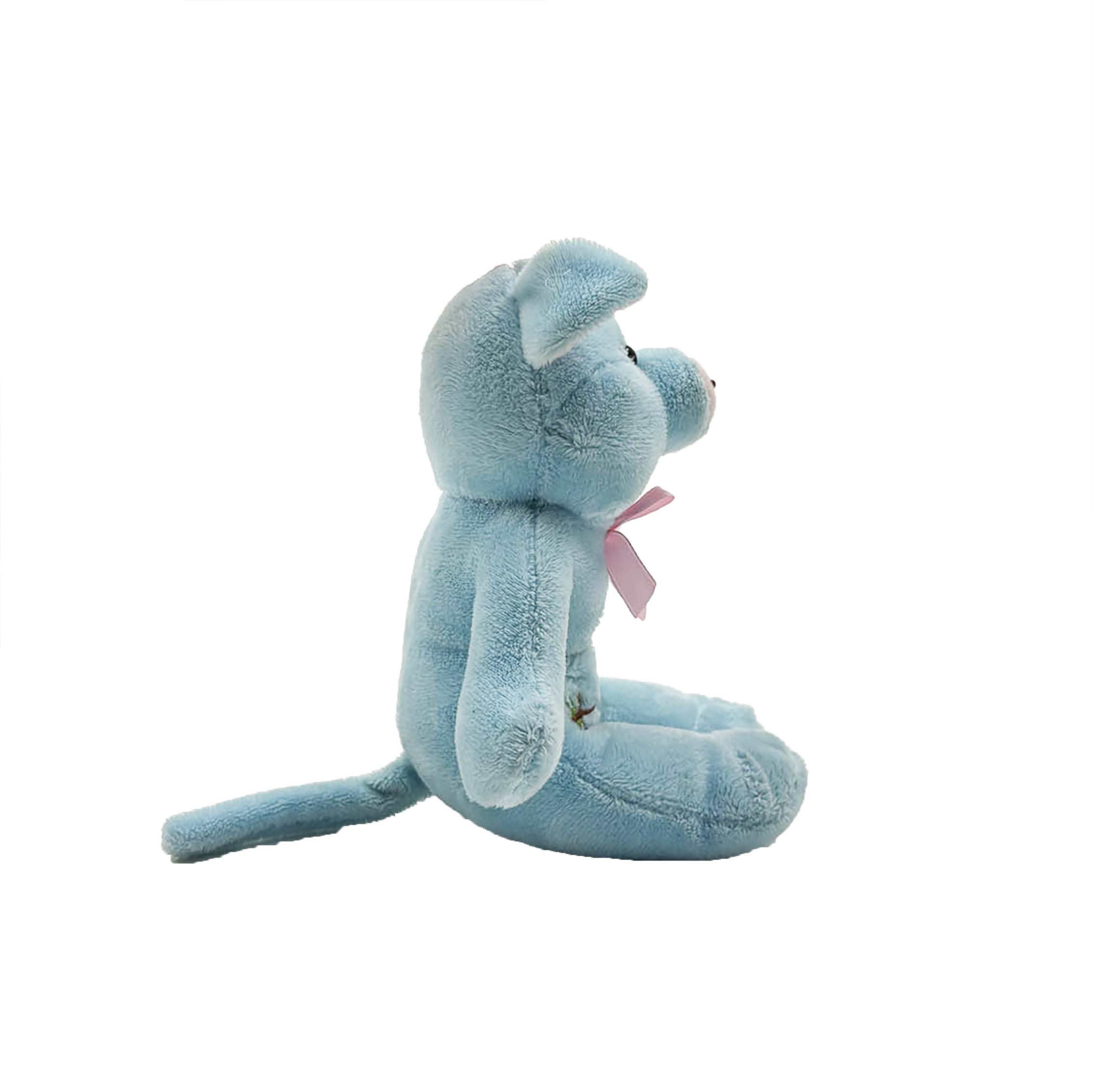
Core Characters to Stock (and Target Buyer Personas)
Selecting the right characters determines your inventory turnover rate. You must understand exactly who buys what. Different animals attract distinct demographics. Grouping your inventory by buyer persona streamlines your purchasing strategy and prevents bloated stockrooms.
The classics remain foundational. Cows and horses serve as ideal anchors for regional gift shops, farm stands, and rodeo-themed events. Tourists and parents frequently purchase these characters. They view them as substantial, classic gifts. A well-made horse or cow feels like a premium heritage item rather than a cheap novelty.
Next, you must capitalize on the "cute factor." The modern retail environment thrives on the kawaii aesthetic. A high-quality pig plush toy perfectly captures this trend. Young shoppers actively look for round, squishy shapes. A round pig serves brilliantly as a desk accessory or collectible. Position these items near high-traffic zones. Teenagers and young adults will grab them as quick impulse buys.
You also need items bridging the gap between seasonal spikes and everyday sales. Consider the transition of a duckling plush toy. Demand naturally explodes during the Spring and Easter seasons. However, ducklings maintain incredible traction year-round as baby shower gifts. Their soft yellow coloring matches gender-neutral nursery themes perfectly.
We recommend using a strict selection framework when shortlisting vendors. You must evaluate the "cuddle factor." Check the softness of the seams. Ensure the visual design stands out on a crowded shelf. Below is a quick comparison chart to guide your purchasing decisions.
Character Type |
Primary Buyer Persona |
Best Retail Strategy |
Evergreen Potential |
Cow & Horse |
Tourists, Grandparents |
Premium display shelves, Heritage gift sections |
High (Year-round classic) |
Pig |
Teens, Young Adults |
Impulse bins, Desk accessory zones |
Very High (Trend-driven) |
Duckling |
Baby Shower Guests |
Nursery bundles, Easter end-caps |
High (Seasonal spike + Baby registry) |
Categorizing Inventory by Quality, Safety, and Function
Your product mix must go beyond mere aesthetics. Modern consumers expect safety, durability, and added functionality. Structuring your inventory around these three pillars protects your store's reputation and justifies higher retail margins.
Infant and toddler safety requires strict compliance. You cannot negotiate on this front. Baby gifts must meet rigorous manufacturing standards. When sourcing items marketed to children under three years old, enforce the following rules:
Zero Hard Plastics: Eliminate items featuring plastic noses or hard decorative joints.
No Button Eyes: These present severe choking hazards. Demand fully embroidered facial features instead.
Machine-Washable Fabrics: Parents discard toys they cannot easily clean. Ensure fabrics withstand regular washing cycles.
Functional and therapeutic plush toys represent a massive growth sector. Retail demand for value-added items continues to rise. Hospital gift shops see excellent returns on heatable and lavender-scented options. These make perfect "get well soon" gifts. Furthermore, weighted animals offer deep touch pressure therapy. This physical grounding helps reduce anxiety. Buyers willingly pay premium prices for functional comfort items.
Finally, do not neglect impulse and party formats. Many parents seek bulk, lower-cost plushies for children's birthday party themes. Rodeo or barnyard parties require affordable favors. We recommend stocking keychain-sized animals or blind boxes. Place these directly at your checkout counters. They capture the remaining dollars of shoppers already pulling out their wallets.
High-Converting Retail Display Ideas for Gift Shops
Excellent merchandise fails if shoppers never see it. How you display your inventory directly impacts your sales velocity. You must transition away from messy, disorganized shelving. Adopting purpose-built retail hardware protects your stock and encourages crucial tactile engagement.
Let us explore four specific display tactics you can implement immediately:
Counter Displays and Spinner Racks (Impulse Zones): Utilize four-basket spinner racks near your cash register. Acrylic counter boxes also work beautifully for small items like keychains. This strategy maximizes your high-margin sales while requiring an incredibly low footprint. Shoppers idly spin the racks while waiting in line, triggering spontaneous purchases.
Floor Standing Dump Bins (Volume and Tactile Engagement): Use wire or clear acrylic dump bins for your durable, budget-friendly items. Dump bins intentionally look slightly informal. This aesthetic encourages children to reach in and grab an item. Once a child holds a soft toy, the "pester power" purchase sequence begins. Parents rarely return an inexpensive toy once the child refuses to let it go.
Slatwalls and Stacking Baskets (Vertical Optimization): Floor space costs money. You must optimize vertically. Slatwall systems keep merchandise highly visible and completely off the ground. This drastically reduces dust accumulation. Stacking wire baskets allows you to separate characters by species while saving premium floor space.
Thematic Vignettes and Cross-Merchandising (Premium Items): Higher-ticket items require storytelling. Create lifestyle setups to elevate their perceived value. Pair a premium horse plush with a beautifully illustrated farm-themed children's book. Place them together inside a rustic wooden crate or a glass-front curio cabinet. This stops making the item look like a mere toy. It becomes an heirloom gift.
Common mistakes often sabotage these displays. Avoid placing high-end plush toys in deep, dark floor bins where they get crushed. Always reserve premium sightlines—between waist and eye level—for your most profitable inventory.
Sourcing Considerations and Procurement Risks
Procurement directly dictates your profit margins. Buying wholesale requires careful vendor evaluation. Do not jump at the first cheap catalog you find. You must assess wholesale bundles critically.
Many suppliers offer pre-packed bundles, such as a 96-unit floor display inclusive of hardware. These bundles save immense setup time. They provide immediate, out-of-the-box retail solutions. However, curating individual SKUs allows tighter control over your aesthetic. If your shop leans heavily toward pastel nursery items, a generic pre-packed bundle might clash with your brand. Weigh the convenience of a bundle against the precision of individual selection.
Never sacrifice quality for margin. We strongly warn against ultra-cheap bulk imports. These items often suffer from weak seams, uneven stuffing, and shedding fur. A single defective toy can ruin a boutique’s reputation. Parents talk. If an eye falls off a toy purchased from your store, you lose a customer forever.
Adopt a strategy of testing and scaling. We recommend starting with a mixed order. Source one premium line and one inexpensive impulse line. Place them on the floor and gauge your local foot traffic preferences. Watch which items sell out first. Only commit to large Minimum Order Quantities (MOQs) once a specific product proves its velocity in your exact location.
Conclusion
Success in the gift shop retail sector requires intentional curation. You cannot just throw merchandise on a shelf and hope for the best. You must match the right character—whether a trendy pig, an evergreen duckling, or a classic cow—with the correct buyer intent. Address the specific needs of your shoppers, spanning infant safety, sensory comfort, and quick impulse buys.
Take immediate action on your shop floor today. Audit your current retail layout. Identify the dead zones near your register or your aisle end caps. Replace stagnant inventory with space-efficient spinner racks or high-visibility slatwalls. Finally, contact your shortlisted wholesale vendors today and demand their safety compliance documentation. Building a profitable, fast-moving plush toy section starts with uncompromising quality control and strategic visual merchandising.
FAQ
Q: What are the strict safety standards to look for when buying bulk plush toys for retail?
A: Always verify ASTM F963 compliance in the US or EN71 in Europe. You must demand safety documentation from your vendor. For items marketed to children ages 0-3, strictly avoid hard plastic eyes, button noses, or any loose parts. Embroidered facial features remain the only acceptable standard to eliminate choking hazards.
Q: How do I prevent plush toys from getting dusty or looking shopworn on display?
A: Implement rapid inventory rotation. Never let stock sit idle. Keep your premium, high-ticket items enclosed in acrylic or glass display cases. For standard inventory, use easily cleanable wire racks or slatwalls. Avoid throwing soft items into deep, dark floor bins where they become crushed and collect floor dust.
Q: Are weighted or scented farm animal plush toys worth the higher wholesale cost?
A: Yes. Functional features justify a significantly higher retail markup. If your shop caters to hospital visitors, wellness markets, or adult buyers, these items perform exceptionally well. Scented options aid sleep, while weighted interiors offer deep touch pressure, positioning the toy as a therapeutic tool rather than a mere novelty.