Stuffed animal backpacks are a popular and fun accessory for children, offering a blend of playfulness and functionality. However, when selecting the right stuffed animal backpack, it’s important to consider the materials used. The choice of materials directly impacts the comfort, durability, safety, and overall quality of the backpack. In this article, we will explore the best materials for stuffed animal backpacks, how they affect children’s experiences, and the benefits of each option.
Key Considerations for Choosing Materials for Stuffed Animal Backpacks
Before we delve into the specific materials used in stuffed animal backpacks, it’s important to understand the factors that should influence your choice. Here are some of the key considerations when selecting materials for these fun accessories:
Safety
The most important factor when choosing any item for children is safety. For stuffed animal backpacks, this means ensuring that the materials are non-toxic and free from harmful chemicals. Additionally, the materials should be durable enough to withstand everyday use while keeping children safe from potential hazards like sharp edges or loose parts.
Comfort
Children will be wearing these backpacks regularly, so comfort is crucial. The materials used in the backpack should be soft and breathable to prevent discomfort or irritation. Additionally, the backpack’s design should ensure a snug fit without being too heavy or awkward.
Durability
A stuffed animal backpack needs to withstand daily wear and tear. Children often put their belongings through a lot, so the materials used must be durable. This is especially important for the backpack’s stitching and fabric, as it needs to hold up through rough handling, pulling, and frequent use.
Ease of Cleaning
Children’s belongings, especially backpacks, are often exposed to dirt, spills, and other messes. Therefore, selecting materials that are easy to clean is essential. Machine-washable fabrics or materials that can be spot-cleaned are ideal for stuffed animal backpacks.
Visual Appeal
The materials used also play a significant role in the backpack’s appearance. Parents and children alike are drawn to visually appealing backpacks, and the right material can enhance the design and overall charm of the stuffed animal backpack.
The Best Materials for Stuffed Animal Backpacks
There are several materials commonly used in the production of stuffed animal backpacks, each offering different benefits. Let’s take a closer look at the best materials for these backpacks:
1. Soft Cotton Fabrics
Why It's Great:
Cotton is one of the most commonly used materials for stuffed animal backpacks because of its softness, breathability, and hypoallergenic properties. Cotton is gentle on the skin and provides a comfortable feel, which is especially important for children.
Common Use:
Cotton is often used in lighter backpacks that are more suited for younger children or as the primary fabric for backpacks that are not too bulky.
Pros:
Hypoallergenic and safe for children with sensitive skin.
Soft texture that ensures comfort for extended use.
Breathable, which helps prevent overheating.
Easy to wash and care for, especially when machine-washed on a gentle cycle.
Cons:
Can wear out over time with frequent use, especially if exposed to rough conditions.
Not as durable as synthetic fabrics like nylon or polyester.
2. Plush Polyester
Why It's Great:
Polyester is a versatile synthetic fabric known for its softness and durability. It is commonly used in stuffed animal backpacks because of its ability to mimic the soft, plush feel of stuffed animals. Polyester is also highly durable and resistant to wear and tear, making it a practical choice for children's backpacks.
Common Use:
Polyester is typically used for the body of the stuffed animal backpack, providing the softness needed to create a plush, huggable texture.
Pros:
Highly durable and resistant to wear.
Soft and plush, perfect for creating the feel of a stuffed animal.
Easy to maintain and can withstand multiple washes without losing its quality.
Available in a variety of colors and designs.
Cons:
Not as breathable as cotton, which can lead to discomfort in hot weather.
May cause overheating if worn for long periods in warmer climates.
3. Microfiber
Why It's Great:
Microfiber is a synthetic fabric that has a fine texture and offers a smooth, soft feel. This material is often used in premium stuffed animal backpacks because it is luxurious and durable. Microfiber is known for its ability to repel moisture and dirt, making it easy to clean.
Common Use:
Microfiber is often used for high-end stuffed animal backpacks that require a soft and luxurious feel.
Pros:
Soft and smooth texture that children love.
Durable and long-lasting, ideal for backpacks that get frequent use.
Resistant to staining and dirt, making it easy to clean.
Available in a range of colors and finishes.
Cons:
Not as breathable as cotton, which can be a concern during hot weather.
Generally more expensive compared to other materials like cotton or polyester.
4. Nylon
Why It's Great:
Nylon is a strong, lightweight fabric that is often used in the construction of the structural parts of a backpack. It’s water-resistant and durable, making it an excellent choice for the outer shell or reinforcement areas of a stuffed animal backpack.
Common Use:
Nylon is often used in combination with other materials, such as polyester or cotton, to provide the necessary strength and durability for the backpack's straps and body.
Pros:
Strong and resistant to wear and tear.
Water-resistant, which helps protect the contents of the backpack from light rain or spills.
Lightweight, making it ideal for larger or more structured backpacks.
Quick-drying and easy to maintain.
Cons:
Not as soft or plush as materials like cotton or polyester.
Can be slippery or stiff, which may affect the overall comfort for children.
5. Felt Fabric
Why It's Great:
Felt fabric is a non-woven textile that provides a unique texture and appearance. It is often used in decorative elements of stuffed animal backpacks, such as creating animal faces, ears, or other details that require a stiffer fabric.
Common Use:
Felt is commonly used for creating detailed animal features or as an accent material in the design of stuffed animal backpacks.
Pros:
Eco-friendly and biodegradable.
Easy to sew and shape, making it great for detailed designs.
Provides a distinctive, structured look to the backpack.
Cons:
Can be less durable than other materials when exposed to heavy wear.
Not as flexible as other fabrics, making it harder to work with for larger pieces.
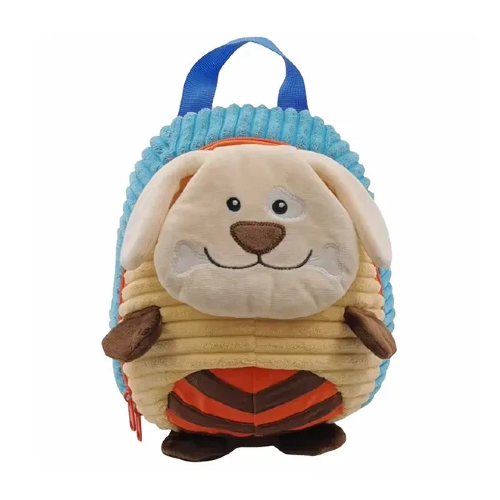
Why Material Selection Matters in Stuffed Animal Backpacks
The choice of material for stuffed animal backpacks goes beyond aesthetics. It affects several key aspects that are important for both the child and the parent. Here's why material selection is crucial:
Health and Safety Concerns
When selecting materials for a stuffed animal backpack, it’s vital to ensure that they are safe for children. Non-toxic dyes, BPA-free plastics, and chemical-free finishes are essential to prevent exposure to harmful substances. Materials like cotton and polyester are commonly used for their safety, as they are less likely to cause irritation or allergic reactions.
Comfort Over Time
Children often wear their backpacks for extended periods, so comfort is a major factor. Soft, breathable materials like cotton and polyester provide the necessary comfort, while materials like nylon or felt may not offer the same level of softness, potentially causing discomfort if worn for too long.
Practicality
Stuffed animal backpacks must be able to endure the rigors of daily use. Materials like polyester and nylon are durable enough to withstand frequent use, while cotton may need to be replaced sooner due to wear and tear. Additionally, easy-to-clean materials are a practical consideration, as kids tend to get their backpacks dirty with food, mud, and other messes.
How to Care for Stuffed Animal Backpacks Based on Material
Different materials require different care methods to ensure they last as long as possible. Here are some cleaning tips for various materials:
Material | Cleaning Method | Tips |
Cotton | Machine wash on gentle cycle or hand wash. | Wash with similar colors, use mild detergent to preserve softness. |
Polyester | Machine washable, can withstand frequent washing. | Use cold water to prevent color fading, and air dry for best results. |
Microfiber | Spot clean or machine wash on a gentle cycle. | Avoid high heat to prevent fabric damage. |
Nylon | Wipe clean with a damp cloth or machine wash. | Keep away from harsh detergents; avoid hot water. |
Felt | Hand wash only; spot cleaning is recommended. | Do not wring out, and let air dry naturally to prevent deformation. |
Choosing the Right Material Based on Your Child’s Needs
When selecting a stuffed animal backpack, consider the following:
For Younger Kids: Opt for soft, hypoallergenic, and machine-washable fabrics like cotton or polyester. These materials ensure comfort and ease of cleaning.
For Older Kids: Nylon or microfiber may be more appropriate for their increased durability needs. These materials can withstand the wear and tear of a more active lifestyle.
Seasonal Considerations: For summer months, breathable cotton or polyester will help prevent overheating, while for colder months, materials like felt or microfiber can provide warmth and durability.
Conclusion
Selecting the right material for a stuffed animal backpack is crucial for ensuring your child’s safety, comfort, and overall experience. The material you choose affects not only the durability and functionality of the backpack but also its softness and ease of maintenance. For younger children, we recommend soft cotton fabrics that are gentle on the skin, while for older kids, durable polyester or microfiber are great choices for long-lasting use.
At Taizhou Goldensun Arts & Crafts, we understand the importance of selecting the right materials. We offer a wide range of high-quality stuffed animal backpacks designed with safety and comfort in mind. Our backpacks are made from non-toxic, breathable materials that are both safe for your child and easy to clean, ensuring that they remain in top condition with minimal effort. If you’re looking for reliable, comfortable, and stylish backpacks, we invite you to explore our collection and contact us for more information. Let us help you find the perfect backpack for your child’s daily adventures!
FAQ
1. What is the most durable material for stuffed animal backpacks?
Nylon is often the most durable option due to its strength and resistance to wear and tear. It is ideal for the structural elements of the backpack.
2. Can stuffed animal backpacks be machine washed?
Yes, most materials like polyester and microfiber are machine washable, while others like cotton may need more gentle care on a delicate cycle.
3. Are there eco-friendly materials for stuffed animal backpacks?
Yes, materials like felt fabric and organic cotton are great eco-friendly options for stuffed animal backpacks.
4. Are there hypoallergenic materials for stuffed animal backpacks?
Cotton and microfiber are hypoallergenic, making them safe for children with sensitive skin.
5. Can I customize my stuffed animal backpack’s materials?
Many manufacturers offer OEM/ODM services that allow you to customize the materials based on specific needs and preferences.