Introduction
Creating a custom stuffed animal is more than just a craft; it is an intricate blend of engineering, artistry, and sensory design. Whether you are a hobbyist or looking to scale into professional production, understanding the "Expert Insight" means moving beyond simple needle-and-thread basics. It involves mastering structural integrity, material safety, and the "hugge-ability" factor that makes a plush toy truly memorable.
In this guide, we dive deep into the professional methodologies of toy making. We will explore how to select eco-friendly fabrics, the secrets to achieving a soft hand-feel, and the technical nuances of pattern drafting. By the end of this insight, you will possess the knowledge to create a washable and durable companion that meets high-quality standards suitable even for toddlers.
Selecting Professional-Grade Materials for Longevity
The foundation of any high-quality stuffed animal lies in its "skin." Experts do not just look for color; they prioritize pile height, stretch recovery, and safety certifications. When creating a custom piece, the fabric choice dictates how the final product handles tension and stuffing.
Choosing the Right Fabric
Most professional makers opt for high-grade polyester minky or faux fur. These materials are inherently washable and maintain their luster after multiple cleaning cycles. For those targeting the conscious consumer market, eco-friendly organic cotton velour or bamboo-derived fabrics are gaining massive popularity. These options ensure the stuffed animal is hypoallergenic and safe for sensitive skin.
Understanding Fabric Grain and Stretch
One "Expert Insight" often overlooked by beginners is the "nap" and "grain line." Fabric has a direction in which the fur lays flat. If you cut your pattern pieces against the nap, your soft doll will look patchy or "angry" because the fur stands up awkwardly. Always align your pattern pieces so the nap runs downward toward the feet of the doll.
| Fabric Type | Best Use Case | Durability | Softness Level |
| Minky | General plush toy | High | Extremely Soft |
| Organic Cotton | Eco-friendly dolls | Medium | High |
| Fleece | Budget-friendly prototypes | Medium | Medium |
| Mohair | High-end collector items | Very High | Natural Texture |
Advanced Pattern Drafting: From 2D Sketch to 3D Form
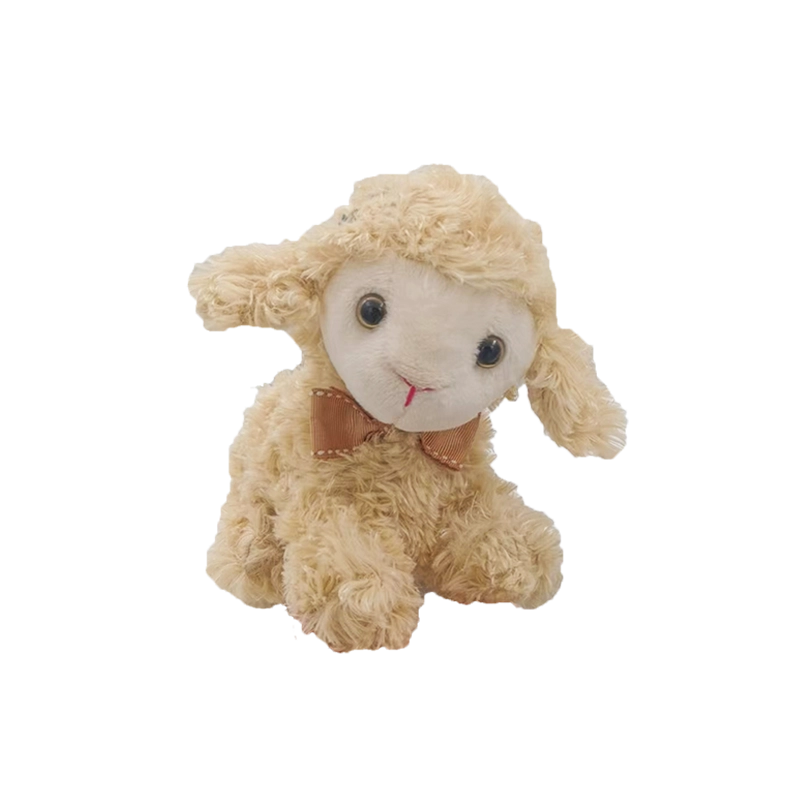
Turning a flat drawing into a three-dimensional custom stuffed animal requires a grasp of spatial geometry. Professionals use "darts" and "gussets" to create volume without making the toy look boxy or distorted.
The Role of Gussets
A gusset is an extra piece of fabric sewn into a seam to add breadth or reduce stress in tight corners. For instance, a head gusset (the strip that runs from the nose to the back of the neck) gives a stuffed animal a rounded, realistic skull shape rather than a flat, "pancake" look.
Prototyping with Muslin
Never cut your expensive soft fabrics first. Experts always create a "mock-up" using cheap muslin or scrap fabric. This allows you to test the proportions. Does the tail look too heavy? Are the limbs symmetrical? Adjusting the paper pattern at this stage saves significant material costs and ensures the final washable product is structurally sound.
The Art of the "Hidden Seam": Sewing Techniques
The difference between a homemade look and a professional stuffed animal is the visibility of the seams. A professional finish requires tight, consistent stitching and specific techniques to hide the entry and exit points of the thread.
Machine vs. Hand Sewing
While the majority of a plush toy is assembled using a sewing machine for strength, the final closure—the "stuffing hole"—must be finished by hand. The Ladder Stitch (or invisible stitch) is the industry standard. It pulls the two edges of the fabric together from the inside, leaving no visible thread on the exterior of your custom creation.
Strengthening Stress Points
For toddlers, toys undergo significant "love"—meaning pulling, dragging, and chewing. We recommend double-stitching the neck and limb joins. These areas bear the most tension when the toy is stuffed to its maximum capacity. Using a high-tensile polyester thread ensures the seams won't pop during a high-heat washable cycle in a laundry machine.
Stuffing Strategies for Weight and Texture
Stuffing is not just about filling a void; it is about "sculpting" from the inside out. The density of the fill determines whether a stuffed animal is a decorative piece or a floppy, soft companion for toddlers.
Fill Materials and Their Properties
Polyester Fiberfill: The most common choice. It is lightweight, washable, and holds its shape well.
Wool Stuffing: A premium, eco-friendly alternative that offers a heavier, more "grounded" feel and natural antibacterial properties.
Plastic Pellets (Beads): Used in the "paws" or "bottom" of a custom doll to provide weight, allowing it to sit upright.
Achieving Symmetrical Firmness
The secret to a professional finish is small increments. If you shove large clumps of stuffing into a plush toy, it will look lumpy. Instead, use small, teased-out clouds of fiber. Start with the furthest extremities (the nose, the tips of the ears, the toes) and work back toward the opening. Use a stuffing tool or a blunt chopstick to pack the fill firmly into the "nose" to prevent the fabric from wrinkling.
Safety Standards: Making Toys Fit "For Toddlers"
When you move from hobbyist to expert, safety compliance becomes your primary focus. A stuffed animal intended for toddlers must pass rigorous "pull tests" and "flammability tests" (depending on your local jurisdiction like ASTM F963 or EN71).
Securing Features
Traditional button eyes are a major choking hazard. For any custom toy meant for young children, we recommend:
Safety Eyes: These feature a grooved post and a one-way washer that locks permanently.
Embroidery: Hand-stitching the eyes and nose with embroidery floss is the safest, most eco-friendly method.
Needle Felting: Creating features through wool roving (though this may not be as washable as other methods).
Component Integrity
Ensure that any internal components, like squeakers or music boxes, are encased in a secondary fabric pouch. This prevents the component from migrating through the stuffing or being easily accessed if a seam happens to tear. An expert-level stuffed animal is built with multiple "lines of defense" regarding child safety.
Customization: Adding Personality and Brand Identity
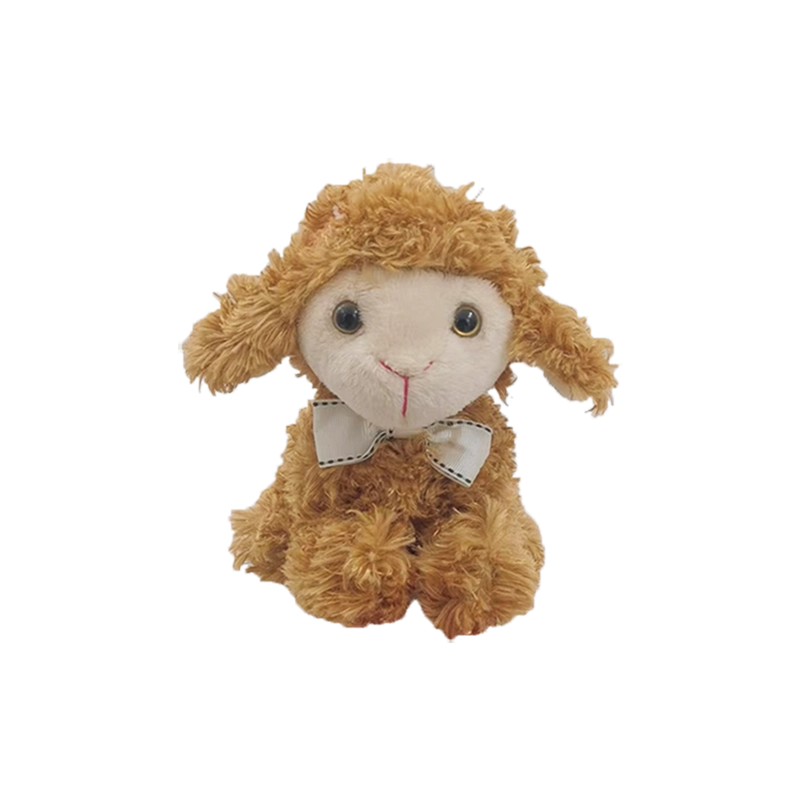
What makes a stuffed animal stand out in a crowded market is its "soul." This comes from the fine details—the tilt of the head, the placement of the eyes, and the unique accessories.
Facial Expression Engineering
The placement of the eyes is the most critical decision in the entire process. Moving the eyes just 2mm closer together or further apart completely changes the character's temperament. Experts often use "pins" to test eye placement before committing to a permanent hole.
Branding and Packaging
If you are producing custom orders, consider adding a woven brand label into the side seam. This not only adds a professional touch but also provides the necessary fiber content and care instructions (e.g., "Washable - Cold Cycle Only"). Including a "Birth Certificate" or a small story card for the stuffed animal increases the perceived value and emotional connection for the end-user.
Maintenance and Care: Ensuring a Lifetime of Hugs
An expert knows that the life of a stuffed animal begins after it leaves the workshop. Providing clear care instructions is essential, especially for soft toys that will be handled daily by children.
Professional Cleaning Guidelines
Most high-quality plush toys can survive a washing machine, but they require specific care to prevent the "fur" from matting.
The Pillowcase Method: Always place the doll inside a pillowcase or laundry bag.
Cold Water Only: Heat can melt the synthetic fibers of minky or faux fur, leading to a "crunchy" texture.
Air Dry: Never put a soft stuffed animal in a high-heat dryer. Use a fan or a cool-air setting to maintain the fluffiness.
Repairing and Restuffing
Over years of use, even the best custom dolls might lose their "plumpness." An expert maker offers "toy hospital" services or provides a guide on how to open the ladder stitch, add fresh fiberfill, and reseal it—extending the toy's life and making it a sustainable, eco-friendly heirloom.
Scaling Production: From Individual Craft to B2B Manufacturing
Moving from making one stuffed animal a day to hundreds requires a shift in mindset. It involves optimizing patterns for material yield and ensuring consistency across batches.
Manufacturing Efficiency
In a professional setting, we use "die-cutting" or laser cutting to ensure every piece is identical. This eliminates the human error found in hand-cutting. Furthermore, professional-grade stuffing machines use compressed air to blow fiberfill into the toy, ensuring a perfectly even distribution that is difficult to achieve by hand.
Quality Control (QC)
Every custom batch must undergo a QC checklist:
Seam Strength: A mechanical pull test on limbs.
Metal Detection: Ensuring no broken needles are left inside the plush toy (standard in B2B manufacturing).
Visual Symmetry: Checking that the "face" matches the approved prototype.
Conclusion
Making a stuffed animal is an art form that rewards patience and precision. By focusing on eco-friendly materials, mastering the "hidden" sewing techniques, and prioritizing safety for toddlers, you elevate your craft from a simple hobby to an "Expert Insight" level of production. Whether your goal is a single soft gift or a thousand custom units, the principles of structural integrity and aesthetic charm remain the same.
FAQ
Q1: What is the best fabric for a washable stuffed animal?
The best fabric is high-quality polyester minky. It stays soft after many washes and does not shrink or lose its color like some natural fibers might.
Q2: How do I make my custom doll eco-friendly?
Use organic cotton, hemp, or recycled polyester fabrics. For the interior, look for corn-fiber fill or recycled plastic bottle fiberfill to ensure the entire stuffed animal is sustainable.
Q3: Is it cheaper to make or buy a stuffed animal?
For a single item, buying is usually cheaper. However, making a custom plush toy allows for higher quality, personalized features, and the assurance of safety standards that mass-produced items may lack.
Our Strength and B2B Expertise
At our core, we are more than just designers; we are a leading-edge manufacturing powerhouse specializing in high-end plush toy production. With our own state-of-the-art factory, we manage the entire lifecycle of a stuffed animal—from the initial custom concept and 3D prototyping to mass-scale B2B distribution. Our facility is equipped with advanced automated cutting and stuffing machinery, ensuring that every soft companion we produce meets the most stringent international safety and quality standards.
We take pride in our ability to support businesses of all sizes. Whether you are a boutique brand looking for an eco-friendly small-batch run or a global retailer requiring thousands of washable units, our production capacity is built to scale with your needs. Our expertise in material sourcing and "Expert Insight" into toy engineering allows us to deliver premium products that are both durable and enchanting. Partner with us to bring your vision to life with the precision and care that only a dedicated factory can provide.