Introduction
Creating high-quality stuffed dolls is an intricate journey that blends textile engineering with emotional design. Whether you are a hobbyist or a professional looking to scale production, achieving that "Expert Insight" level requires moving beyond basic sewing. It involves a deep understanding of material tactile response, structural integrity, and safety compliance. Today, the market demands more than just a toy; consumers seek Eco friendly materials, specialized functions like support for anxiety, and the peace of mind that comes with Washable fabrics.
In this comprehensive guide, we will break down the professional manufacturing process. We will explore how to draft patterns that hold their shape, how to select Organic cotton for sensitive skin, and the technical secrets of creating an Animal shaped companion that lasts for generations.
Material Engineering: Selecting the Right Fabric Foundation
The soul of any stuffed dolls project lies in the choice of textile. Experts do not just look for color; they prioritize "hand-feel," pile depth, and stretch recovery. When you design stuffed dolls, the fabric dictates how the curves of the face will look and how the limbs will swing. If the fabric has too much stretch, the doll will become bloated and lose its intended shape. If it has too little, the seams will puckering and look amateur.
For those focusing on products for babies, the choice is even more critical. Organic cotton is the gold standard here. It is grown without harmful pesticides, making it safe for infants who inevitably explore their toys with their mouths. Beyond safety, it offers a breathable texture that synthetic fibers cannot match. On the other hand, if you are creating Animal shaped plushies, specialized "minky" or faux fur provides the realistic texture children love. These synthetic options are often favored because they are inherently Washable, allowing parents to keep the toy hygienic with a simple laundry cycle.
Comparative Analysis of Toy Fabrics
| Fabric Type | Best Use Case | Elasticity | Durability |
| Organic cotton | for babies / Eco friendly | Medium | High |
| Polyester Minky | Animal shaped toys | High | Very High |
| Linen/Hemp | Vintage style stuffed dolls | Low | High |
| Bamboo Velour | Sensitive skin / Luxury feel | Medium | Medium |
Advanced Pattern Drafting and Structural Integrity
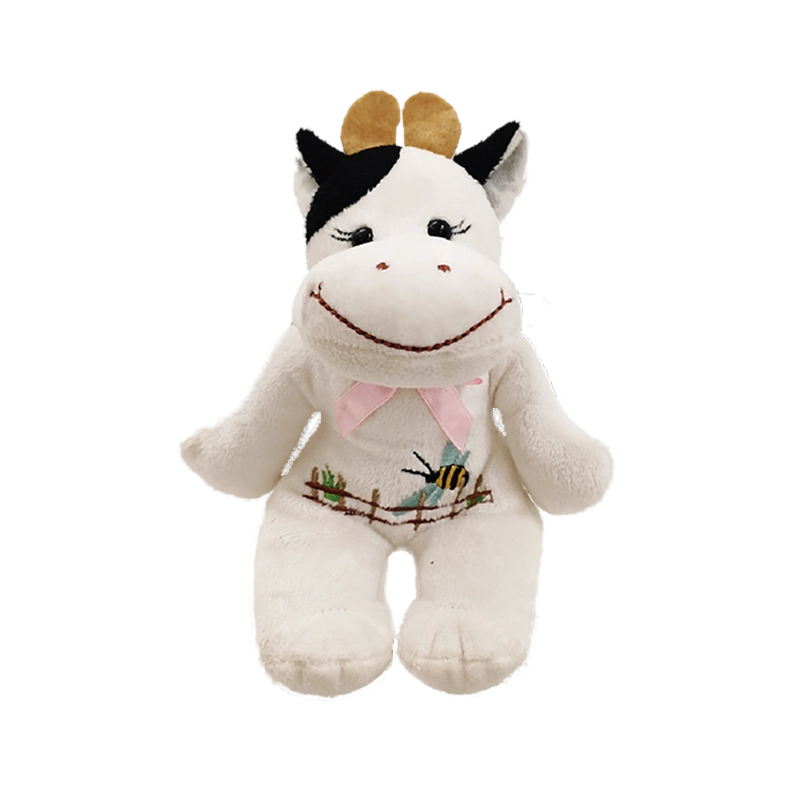
To move from a flat piece of cloth to a three-dimensional masterpiece, you must master the art of the "gusset" and the "dart." Professional stuffed dolls are rarely made of just two flat sides. If you look at an expert-level Animal shaped toy, you will notice a strip of fabric running down the center of the head or under the belly. This is a gusset. It provides the necessary volume to make a snout look realistic or a torso look plump.
Drafting these patterns requires a grasp of spatial geometry. When we design a prototype, we often use a "muslin" or "mock-up" fabric first. This prevents wasting expensive Organic cotton or designer furs. You must account for the "seam allowance"—the extra space between the edge of the fabric and where you actually sew. In the world of stuffed dolls, a 5mm allowance is standard for small details, while 10mm is better for larger, hugged areas. This ensures that even if the toy is used vigorously, the seams will not pull apart.
Key Pattern Components
The Gusset: Adds 3D depth to heads and bodies.
Darts: Small V-shaped folds that create curves in flat fabric.
Joint Marks: Notches that ensure limbs are aligned perfectly on both sides.
Stuffing Ports: Strategic openings (usually in the back or bottom) that allow for easy filling and invisible closure.
The Psychology of Stuffing: Weight, Texture, and Function
How you stuff your stuffed dolls determines their purpose. For instance, there is a growing trend for weighted toys used for anxiety. These dolls are not just filled with fiberfill; they contain glass beads or heavy plastic pellets. This "Deep Pressure Stimulation" helps ground the user, making the doll a therapeutic tool rather than just a plaything.
When stuffing, consistency is everything. If you grab large clumps of polyester and shove them in, your stuffed dolls will look lumpy and "cellulite-prone." Experts "tease" the stuffing first, pulling it apart into small, cloud-like wisps. We start by filling the furthest points first—the nose, the tips of the ears, and the toes. If these are not packed firmly, the toy will look wilted. However, the belly of an Animal shaped toy might be left slightly softer to enhance the hugging experience.
Stuffing Selection Guide
Standard Poly-fill: The most common, Washable, and affordable option.
Wool Roving: A premium, Eco friendly choice that holds warmth and smells like home.
Glass Beads: Used in toys for anxiety to add significant weight without bulk.
Dried Lavender: Added to stuffed dolls to provide a calming scent for better sleep.
Specialized Design: Crafting for Specific Demographics
Designing stuffed dolls is not a one-size-fits-all process. The needs of a newborn are vastly different from the needs of an adult seeking emotional support. As an expert, you must pivot your construction techniques based on the end-user.
Sub-Category: Engineering Stuffed Dolls for Babies
When we create for babies, safety is the absolute priority. This means no "safety eyes" (which are plastic pegs that can snap) and no buttons. Instead, features should be embroidered directly onto the Organic cotton face. Every seam must be double-stitched. Since babies have developing immune systems, the doll must be 100% Washable in hot water to kill bacteria.
Sub-Category: Developing Toys for Anxiety
For the adult or teen market, the tactile experience is the focus. We use fabrics with "sensory" textures—raised dots, silky ears, or cooling surfaces. These stuffed dolls often include a pocket for a heating pad or a weighted core. The goal here is to provide a sense of security and "grounding." The weight usually ranges from 1kg to 2.5kg depending on the size of the doll.
Masterclass in Facial Expression and Personality
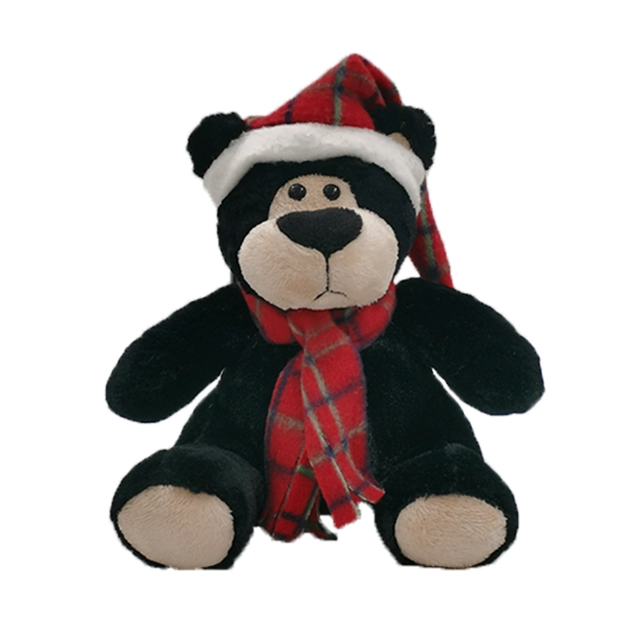
The face is where the "Expert Insight" truly shines. It is the most difficult part of making stuffed dolls. A difference of two millimeters in eye placement can change a doll's expression from "curious" to "terrified." Professional makers use "placement pins" to test various positions before committing to any holes or stitches.
The Art of the "Hidden Stitch"
To close the stuffing hole, you must use a "Ladder Stitch" (also known as an invisible stitch). This technique allows the thread to zig-zag between the two edges of the fabric. When you pull the thread tight, the edges meet perfectly, and the thread disappears inside. This is a hallmark of high-quality stuffed dolls. If you can see the thread at the closure point, it isn't a professional finish.
Facial Feature Techniques
Embroidery: The safest and most Eco friendly way to add eyes and mouths.
Needle Sculpting: Using a long needle and strong thread to pull the fabric inward, creating eye sockets or dimples.
Appliqué: Sewing small pieces of felt or fabric onto the face for a bold, graphic look.
Manufacturing for Longevity: The "Washable" Standard
In the modern world, a doll that cannot be cleaned is a doll that will eventually be thrown away. To make truly Eco friendly stuffed dolls, you must design them for a long life. This means ensuring they are fully Washable. This process starts at the very beginning by "pre-washing" your fabrics. If you don't pre-wash, the fabric might shrink differently than the thread or the stuffing during the first cleaning, leading to a distorted toy.
How to Ensure a "Washable" Result
Colorfast Testing: Rub a damp white cloth on your fabric. If color transfers, it isn't suitable for a high-quality doll.
Thread Choice: Use high-tensile polyester thread. It does not rot or weaken when wet, unlike some natural threads.
Stuffing Integrity: Use high-grade fiberfill that doesn't "clump" when submerged in water.
Conclusion
Mastering the art of stuffed dolls is a continuous process of learning and refinement. By choosing Eco friendly materials like Organic cotton and focusing on specialized needs—such as weighted features for anxiety or soft textures for babies—you create products that hold real value. Remember that the "Expert Insight" isn't just about the sewing; it's about the care you put into every detail, from the Washable finish to the perfect Animal shaped silhouette.
FAQ
Q: Can I use a regular sewing machine for stuffed dolls?
A: Yes, most domestic machines can handle stuffed dolls. However, for thick fabrics like faux fur, you may need a "walking foot" attachment to keep the layers from sliding.
Q: How do I make my dolls more Eco friendly?
A: Focus on "Zero Waste" pattern drafting, use Organic cotton, and look for stuffing made from recycled plastic bottles.
Q: Why are weighted dolls good for anxiety?
A: The weight mimics the feeling of a hug, which triggers the brain to release serotonin and dopamine, helping the nervous system relax.
Our Manufacturing Strength and B2B Expertise
At our facility, we operate at the intersection of traditional craftsmanship and modern industrial efficiency. As a premier manufacturer of stuffed dolls, we understand that B2B clients require more than just a product; they require a reliable partner who understands global safety standards and market trends. Our factory is equipped with high-precision cutting technology and automated stuffing systems that ensure every Animal shaped plush is identical in quality and weight.
We specialize in "Custom-to-Scale" production. Whether you are looking for a line of Organic cotton toys for babies or specialized weighted products for anxiety, we have the R&D capabilities to bring your vision to life. Our strength lies in our sourcing—we provide fully Washable and Eco friendly materials that meet CE, ASTM, and EN71 certifications. By choosing to work with us, you are gaining access to a massive production capacity and a team of experts dedicated to the highest standards of the toy industry. We are ready to help you dominate your market with superior plush products.