Outsourcing product manufacturing carries high stakes for retail and gift brands. Choose your partner poorly, and you face severe consequences. You might experience delayed product launches. You could receive unsafe materials. Your final design might completely misalign from your core brand aesthetic. We want to prevent these outcomes. Our objective is clear. We provide a rigorous, evidence-based framework. Retail buyers, IP owners, and gift brands can use this to evaluate and select a reliable partner.
Transitioning a 2D design into a mass-produced 3D plush requires deep technical expertise. It demands stringent quality control and highly transparent communication. Securing the lowest unit price rarely leads to a successful launch. You need to understand the nuances of pattern making. You must grasp factory compliance and scalable pricing.
Key Takeaways
Prototyping is the ultimate stress test: A manufacturer's ability to execute physical sampling dictates mass-production success.
Compliance is non-negotiable: Valid safety certifications (CPSIA, ASTM F963, EN71) separate legitimate OEM plush toys from high-risk liabilities.
Total Cost of Ownership matters: Base unit price must be weighed against sampling fees, Minimum Order Quantities (MOQs), and shipping logistics.
IP Protection requires upfront agreements: Clear Non-Disclosure Agreements (NDAs) and copyright terms must be established before sharing design files.
Clarifying your business model is the first crucial step. You must map your brand’s scale to the correct solution category. A small influencer needs a vastly different setup than a global retail buyer.
Clarifying the Business Model
You have two primary paths for bringing a stuffed character to market. On-Demand or Creator Platforms suit influencers or brands wanting low-risk, zero-inventory models. They boast very low upfront costs. However, they carry higher per-unit prices. They also heavily restrict custom fabrication options. You cannot often choose specific rare fabrics.
Direct B2B production suits retail brands and corporate gifting programs. Engaging a direct custom plush toy manufacturer gives large IP holders total design control. You can specify exact fabrics. You also unlock highly scalable unit economics. This model supports long-term retail growth.
Production Model Comparison Chart
Feature | Creator Platforms | Bulk OEM Production |
Upfront Costs | Very low or zero | Higher (sampling & bulk deposit) |
Per-Unit Margin | Low (high production cost) | High (scalable volume discounts) |
Customization Level | Basic templates only | 100% custom patterns and fabrics |
Inventory Risk | None (on-demand fulfillment) | Requires warehousing and logistics |
Establishing Success Criteria
Establish clear internal metrics before you begin vendor outreach. You should define your target landed cost first. Calculate how much you can spend per unit to maintain retail margins. Pinpoint a required delivery date for your warehouse. Note your acceptable minimum order quantity constraints. Having these figures ready streamlines your initial vendor conversations.
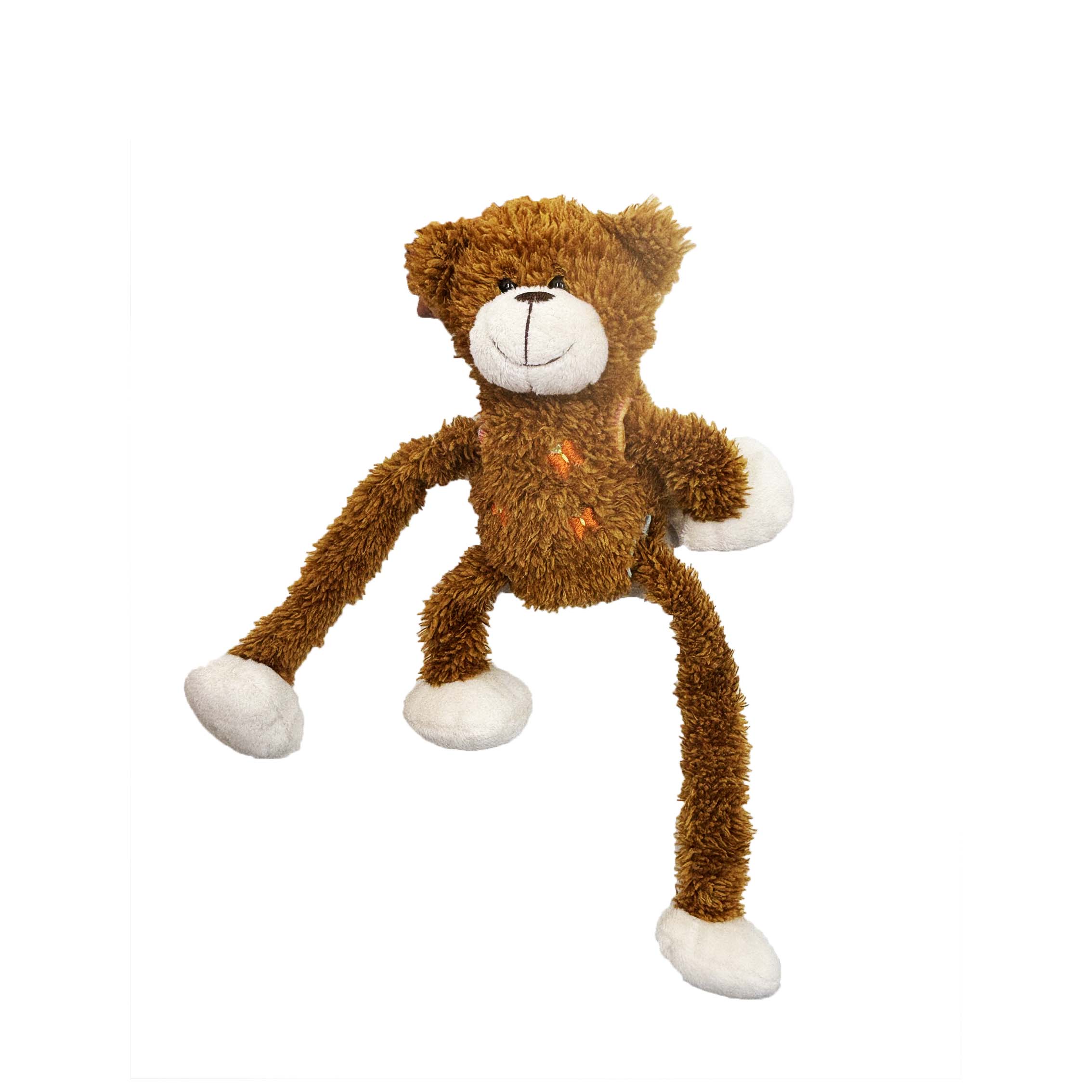
5 Core Criteria for Evaluating a Custom Plush Toy Manufacturer
Finding a trusted partner requires a standardized assessment. Use these five core criteria to evaluate every facility. This framework eliminates guesswork.
Prototyping and Pattern-Making Capabilities: Assess how accurately they translate a digital concept into a physical sample. The best factories employ veteran pattern masters. They readily offer multiple revision rounds. A bad prototype guarantees a bad production run.
Material Sourcing & Transparency: Examine their fabric range carefully. Can they easily source minky, PP cotton, or recycled RPET? Check if they can accurately match specific Pantone colors for your brand. High-quality fabric prevents shedding and color fading over time.
Stringent Quality Control (QA/QC): Ask for documentation of internal inspection processes. You need to see proof of metal detection protocols. Factories must scan every toy for broken needles. Request their procedures for seam-pull testing. Strong seams prevent stuffing leaks and choking hazards.
Communication SLAs: Track their initial response times. Evaluate their English proficiency when discussing technical design terms. A dedicated account manager is a massive advantage. Clear communication prevents costly manufacturing errors.
Factory Audits and Social Compliance: Verify ethical labor practices before signing anything. You should look for ISO 9001, BSCI, or Sedex certifications. These documents ensure proper facility standards. They protect your brand reputation from sweatshop controversies.
Navigating MOQs, Sampling Fees, and Scalable Pricing
Understanding the financial mechanics of mass production prevents early negotiation failures. You need to decode how factories structure their pricing models.
The Reality of Minimum Order Quantities (MOQs)
Factories enforce minimum order quantities for very practical reasons. Fabric dyeing requires large minimum vat volumes. Machine setup consumes significant operator time. If a run is too small, the factory loses money. However, you can often negotiate these figures for first-time trial runs. A willingness to pay a slightly higher unit cost can lower your initial commitment.
Understanding the Sampling Fee
Prototyping is highly labor-intensive. Your initial sampling fee covers pattern design, specialized labor, and raw materials. It often takes days to perfect a complex 3D shape. A legitimate plush toy manufacturer normally credits this fee toward your eventual bulk production invoice. Consider it a deposit rather than a sunk cost.
Pricing Tiers and Volume Discounts
Unit costs drop significantly as you hit scalable milestones. A quote for 500 units looks vastly different than one for 10,000 units. Factories optimize their assembly lines for larger runs. Ask your vendor for a tiered pricing sheet upfront. This document helps forecast future profit margins as your brand grows.
Hidden Costs to Clarify
Always scrutinize shipping terms on your quote. Ensure you know if quotes are EXW (Ex Works), FOB (Free On Board), or DDP (Delivered Duty Paid). EXW quotes look cheap initially. However, they leave you handling all freight and customs logistics. DDP includes everything delivered straight to your door. Clarifying these terms prevents sudden freight surprises.
Risk Mitigation: IP Protection and Material Safety
Protecting your ideas and ensuring product safety are fundamental business duties. Ignoring these steps creates massive legal vulnerabilities for your brand.
Securing Intellectual Property
Never send raw spec sheets blindly to unknown factories. Establish clear Non-Disclosure Agreements (NDAs) first. Outline concrete steps to protect proprietary character designs. Emphasize the importance of working alongside partners who respect international copyright norms. A reputable factory will gladly sign an NDA before reviewing your files. If they refuse, walk away immediately.
Navigating Global Safety Standards
Children's products face intense regulatory scrutiny globally. Major markets require specific compliance testing. You must pass strict CPSIA requirements for the US market. This includes testing for lead and harmful phthalates. Europe mandates CE and EN71 compliance. Legitimate OEM plush toys must clear these hurdles. Never assume a factory applies these standards automatically.
Third-Party Lab Testing
Factory self-reporting carries far too much risk. Always demand verifiable test reports from independent testing agencies. SGS and Intertek remain the industry gold standards. Independent labs verify chemical safety and mechanical durability objectively. Budget for these external tests in your initial production planning. They provide peace of mind and strict legal protection.
The Shortlisting Process: How to Vet and Test Suppliers
Moving from a long list of factories to a final partner requires systematic testing. Do not rely on gut feelings during vendor selection.
Creating a Supplier Scorecard
Build a standardized comparison matrix in a spreadsheet. Compare three to five shortlisted factories across vital metrics. Score their MOQs, lead times, and sample costs. Assign a numerical rating for communication clarity. Weight these scores based on your primary business goals. This analytical approach removes emotional bias from your vendor selection.
Treat your initial Request for Quote (RFQ) email as a critical filter. Send your detailed design brief. A strong partner will pause and ask clarifying questions. They will inquire about exact dimensions, specific fabric preferences, and your target audiences. A weak factory simply fires back a blind, lowball quote. They do this to secure a deposit quickly.
Executing a Pilot Run
Commission paid samples from your top two contenders simultaneously. This allows an objective, side-by-side comparison. You can physically evaluate fabric quality, structural integrity, and overall production speed. Never sign a bulk contract before approving a final, physical prototype. Paying for two samples costs more upfront. However, it saves thousands in potential mass-production errors.
Conclusion
Finding the right manufacturing partner operates as a critical investment. It serves as foundational risk management. It ultimately protects your brand reputation in a competitive market.
Define your exact scale and model needs before sending inquiries.
Vet potential suppliers rigorously for safety compliance and ethical audits.
Test their manufacturing capabilities through paid, parallel prototyping.
Scale your production safely only after physical quality is verified.
Do not rush this vendor selection process. Take time to prepare your detailed tech pack today. Reach out to a vetted manufacturing partner and schedule your initial design consultation to get your project moving safely.
FAQ
Q: How long does it take to manufacture custom plush toys?
A: Sampling typically takes 2 to 4 weeks. Once you approve the physical prototype, mass production generally requires 4 to 8 weeks. Remember to factor in shipping transit times. Ocean freight often adds another 4 to 6 weeks to your timeline, while air freight takes roughly 7 to 10 days.
Q: Are prototype fees refundable?
A: Yes, this represents a standard industry practice. Most reputable factories charge an upfront prototyping fee to cover custom pattern-making and labor. Once you proceed and place a bulk production order meeting their minimum thresholds, they typically credit this initial sampling fee against your final mass-production invoice.
Q: Can a manufacturer help me if I only have a sketch?
A: Absolutely. High-quality factories employ dedicated in-house design teams. They specialize in converting simple 2D sketches into manufacturing-ready 3D patterns. Providing specific details about dimensions, desired expressions, and preferred fabrics helps them capture your vision accurately, even without a full tech pack.
Q: What is the standard MOQ for OEM plush toys?
A: Realistic baseline figures typically range from 300 to 1,000 units. The exact number heavily depends on design complexity, fabric availability, and custom dyeing requirements. Larger commercial factories require higher volumes to cover intensive machine setup and raw material sourcing costs efficiently.