Introduction
Looking for a fun and creative way to engage your child? A Kids Sewing Kit might be the perfect project! Sewing not only sparks creativity but also teaches valuable life skills.
In this article, we’ll explore how to create a personalized kids sewing kit that will inspire your child's sewing journey. You’ll learn essential items to include, tips for organizing, and how to keep everything safe and fun.
What to Include in a Kids Sewing Kit
A well-organized sewing kit for kids should provide all the necessary tools to make the crafting process both fun and safe. By selecting the right materials and tools, you can create a functional kit that encourages creativity and skill development. Here’s what to include when building a perfect kids sewing kit.
Key Items for a Functional Sewing Kit
When assembling a sewing kit for kids, focus on these essential components:
● Pre-Cut Fabric: Pre-cut fabric pieces simplify the process, allowing kids to focus on sewing rather than cutting. Soft materials like cotton and felt are perfect for beginners.
● Plastic Safety Needles: These needles have rounded ends, ensuring safety while being easy for kids to handle.
● Embroidery Threads: A variety of colorful threads encourages creativity. Choose durable yet manageable threads that kids can easily work with.
● Stuffing: Soft stuffing materials such as PP cotton are lightweight and ideal for plush toy projects.
The Importance of Quality Materials for Kids
Using high-quality, non-toxic materials is essential for safety and ease of use. It ensures a smoother, more enjoyable sewing experience for children:
Material | Why It’s Important | Examples |
Fabrics | Safe for skin, easy to handle, and durable for multiple uses | Cotton, Felt |
Threads | Strong enough to withstand sewing without breaking easily | Embroidery Thread |
Stuffing | Soft, hypoallergenic, and easy to handle | PP Cotton |
● Safe Fabrics: Choose fabrics like cotton or felt, which are gentle on kids' skin and easy to sew with.
● Durability: Stronger threads and high-quality fabrics ensure the kit lasts for multiple projects, providing value for the child and encouraging continued crafting.
● Hypoallergenic Stuffing: Use safe, non-irritating stuffing such as PP cotton to guarantee comfort and safety.
Essential Tools: Needles, Thread, and Fabric
The following tools are fundamental for a sewing kit and should be safe and easy for young crafters to use:
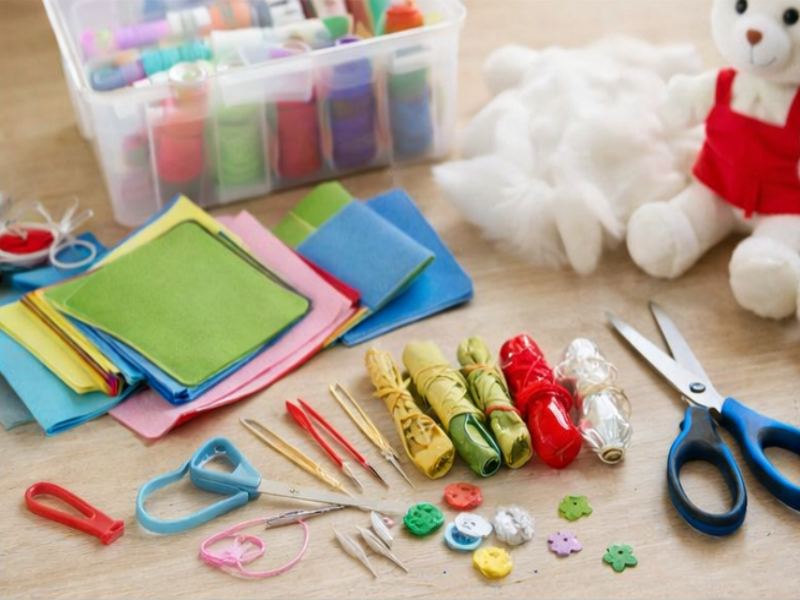
Needles
● Plastic Safety Needles: Designed for young children, these needles have rounded tips, preventing injury while allowing for effective sewing.
● Embroidery Needles: For older kids who are ready for more complex projects, embroidery needles with larger eyes can be introduced.
Thread
● Embroidery Threads: Strong and available in various colors, these threads allow kids to explore creative stitching techniques.
● Thicker Threads for Simplicity: For beginners, thicker threads are easier to handle and more forgiving, which reduces frustration.
Fabric
● Soft, Easy-to-Handle Fabrics: Materials like cotton and felt are the best choices for young beginners. They are easy to sew with and come in many colors and patterns.
● Pre-Cut Fabric: Pre-cut fabric pieces remove the challenge of measuring and cutting, allowing children to focus on sewing.
Recommended Tools for Beginners
Here’s a list of tools that should be included in a beginner-friendly sewing kit:
Tool | Description |
Plastic Safety Needles | Safe, easy-to-use needles for young sewers. |
Blunt-Tip Scissors | Ideal for cutting fabric safely without the risk of injury. |
Cotton and Felt Fabrics | Soft, easy-to-sew fabrics perfect for beginners. |
Colorful Embroidery Threads | Threads that allow children to experiment with designs and techniques. |
Simple Instruction Manual | Guides children step-by-step with easy-to-follow illustrations. |
Age-Appropriate Sewing Tools for Kids
Selecting the right sewing tools for kids is essential for ensuring both safety and enjoyment. Children’s sewing kits should be designed to help them develop skills gradually, with age-appropriate tools that match their abilities. This section explores how to choose the right tools based on age and skill level, along with specific recommendations for younger and older children, and highlights safety features to look for in needles and scissors.
How to Select Sewing Tools Based on Age and Skill Level
Choosing the right tools for kids is about matching the tools to their developmental stage. Here’s how to select tools based on age:
● For younger children (6-8 years old): Focus on simple, safe tools like plastic safety needles and blunt-tip scissors. Pre-cut fabric simplifies the process, allowing children to focus on sewing rather than the complexity of measuring and cutting.
● For older children (9+ years old): Once they are comfortable with basic sewing techniques, kids can progress to embroidery needles, sharp scissors, and fabric that requires cutting. At this stage, they can also explore basic sewing machines and more advanced threads.
Age-appropriate tools help kids develop their skills without feeling frustrated, ensuring a positive sewing experience.
Specific Tool Recommendations for Younger Children (6-8 years old) and Older Children (9+ years old)
To ensure a smooth crafting experience, the tools should match the child's age and sewing ability:
Age Group | Recommended Tools |
6-8 years old | Plastic safety needles, blunt-tip scissors, pre-cut fabric, colorful embroidery threads, child-safe pins |
9+ years old | Embroidery needles, sharp scissors, fabric for cutting, advanced thread varieties, small sewing machines (optional) |
For younger children, plastic safety needles are ideal to avoid sharp injuries while still allowing them to sew effectively. Blunt-tip scissors are essential for safe cutting, and pre-cut fabric eliminates the need for measuring or cutting, making sewing simpler and more enjoyable.
Older children can progress to embroidery needles with larger eyes, which are easier to thread. Sharp scissors designed for kids allow for more precise cutting once they are ready. They can also handle more complex fabrics and projects, fostering their creativity and sewing skills.
Safety-Focused Features of Needles and Scissors
Safety is paramount when selecting sewing tools for children. The following features are essential:
Needles
● Plastic Safety Needles: These needles are made from flexible plastic with rounded ends, which makes them safe for younger children. They prevent accidental pricks or cuts. Once children gain confidence, embroidery needles with larger eyes can be introduced to allow for more complex stitches.
Scissors
● Blunt-Tip Scissors: These are designed for younger children to prevent cuts while still allowing them to cut fabric. Child-safe scissors often feature ergonomically designed handles, making them easier for small hands to grip.
● Safety Features: Scissors with locking mechanisms can prevent accidental injury when not in use. This is a useful safety feature when storing scissors.
Both needles and scissors should be lightweight, easy to handle, and large enough to provide control without being too heavy or unwieldy. Always ensure tools are safely stored when not in use to avoid accidents.
How to Assemble the Sewing Kit
Assembling a kids sewing kit involves more than just gathering tools and materials—it's about creating a well-organized, accessible, and engaging kit that will inspire kids to start sewing. In this section, we will go through the step-by-step process of assembling a sewing kit, discuss the importance of organization for easy access, and offer tips on adding personal touches that will make the kit unique and fun for kids.
Step-by-Step Instructions on Assembling the Kit
The process of assembling a kids sewing kit should be straightforward and structured, ensuring that everything needed for a successful sewing project is included. Here’s how you can assemble the kit:
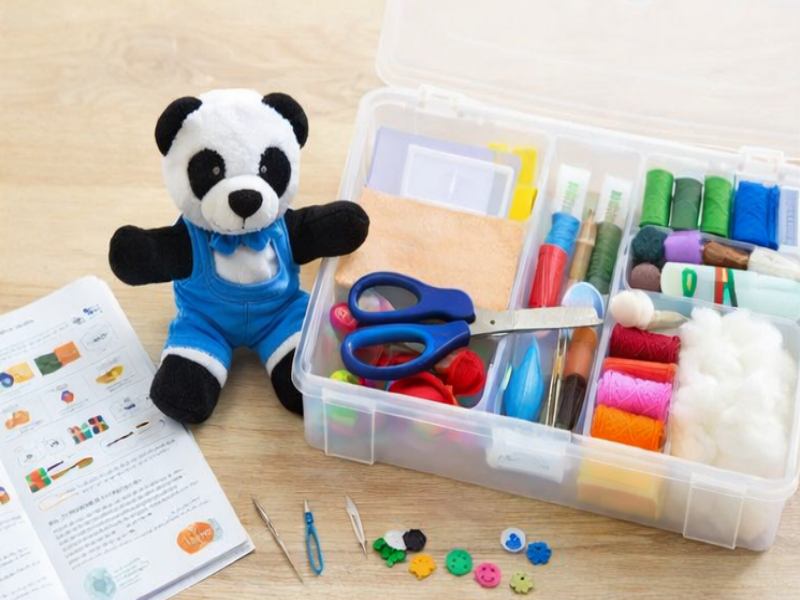
1. Choose the Right Storage Container: Start by selecting a container that will hold all the tools and materials. A small plastic storage box or a fabric pouch works well, as it should be durable yet easy for kids to carry. If possible, choose a container with compartments to help separate different tools and materials.
2. Select Essential Sewing Tools: Include basic tools like plastic safety needles, blunt-tip scissors, and measuring tape. Organize these items in separate compartments or pouches within the storage container to make them easy to find.
3. Add Fabric and Thread: Include pre-cut fabric pieces for kids to sew on. Choose fabrics that are easy to work with, such as cotton or felt. Also, include a variety of embroidery threads in different colors. Store these in small spools or thread organizers to avoid tangling.
4. Include Safety Accessories: Make sure the kit has safety items like pins with safety heads and a pin cushion. These tools help keep pins safe and organized while sewing.
5. Include Stuffing and Decorative Items: For projects like stuffed animals or plush toys, add PP cotton stuffing and some fun decorative accessories like buttons, ribbons, or sequins. These additions encourage creativity and customization.
6. Instructions or Project Ideas: Include a simple, child-friendly instruction manual that guides kids through basic sewing steps. You can also add a few beginner project ideas, like making a small pillow or a simple stuffed toy, to get them started.
By following these steps, you can create a comprehensive sewing kit that equips kids with everything they need to get started with sewing.
Organizing the Tools for Easy Access
Effective organization within the sewing kit is crucial for making the tools easily accessible. Here are some strategies to consider:
● Compartmentalized Storage: Use a container with multiple compartments or small pouches to separate different types of tools. For example, one compartment could hold the needles, while another holds the threads, and another holds pins and scissors. This keeps everything in place and prevents items from getting lost.
● Labeling: If you are using separate pouches or small boxes within the kit, consider labeling each section for easy identification. Labels such as “Needles,” “Threads,” and “Accessories” can help kids quickly find what they need without frustration.
● Color Coding: Use color-coded storage solutions for different materials. For example, you could use a red pouch for fabric, blue for threads, and yellow for safety tools. This visual organization is helpful for younger children who may not yet be familiar with the specific names of each item.
● Compact and Portable: Keep the kit compact and lightweight so that kids can carry it easily. A handle or a zipper pouch makes the kit portable and ensures the items stay organized during storage or travel.
A well-organized kit makes it easy for kids to start their sewing projects without wasting time searching for the right tool.
Tips for Adding Personal Touches to the Kit
A kids sewing kit is more than just a set of tools; it can be a creative space that reflects the child’s personality and interests. Here are some ideas to personalize the kit:
Personalization Idea | Description |
Customizable Fabric | Include plain fabrics that kids can decorate with fabric markers or embroidery. |
Personalized Sewing Accessories | Add unique items, like a personalized pin cushion or a fabric label with the child’s name on it. |
Themed Kits | Include fabric, buttons, and decorations related to a favorite theme or character. |
DIY Instructions | Encourage creativity by including blank instruction sheets for designing sewing projects. |
Choosing the Right Storage for a Kids Sewing Kit
The right storage solution is essential to keep a kids sewing kit organized, accessible, and safe. A well-organized kit makes it easier for children to find what they need and encourages them to start sewing without frustration. This section explores why the right container matters, how to organize sewing supplies, and offers simple DIY storage ideas.
Why the Right Container Matters
The container you choose is crucial for keeping the sewing tools secure and easy to access. Here's why it matters:
● Durability: A sturdy container prevents damage to tools, ensuring they last longer.
● Portability: Lightweight and easy-to-carry containers help kids take their sewing kits on the go.
● Organization: A container with compartments or dividers helps keep everything in place and makes tools easier to find.
Options for Organizing Sewing Supplies
Keeping the supplies organized helps kids stay focused and enjoy the crafting process. Here are a few ways to organize the tools:
● Compartmentalized Boxes: Use small boxes with compartments to store needles, threads, buttons, and pins separately.
● Separate Pouches: Store different fabric pieces in small pouches to keep them neat and accessible.
● Thread Organizers: Use spools or a thread organizer to keep embroidery threads from tangling and easily accessible.
● Portable Storage: Choose a container with a handle or zipper for easy carrying, so kids can take their kit anywhere.
Ideas for DIY Storage Solutions
For a more personalized and fun storage solution, consider these DIY ideas:
● Repurposed Containers: Use small boxes, pencil cases, or plastic containers with added dividers for organizing tools.
● Crafty Sewing Caddy: Create a fabric pouch or caddy with compartments to store sewing tools in a fun and decorative way.
● Clear Storage Bags: Clear zippered bags help store supplies like needles and threads, making it easy to see contents at a glance.
The right storage container not only keeps tools organized but also ensures that kids can easily access what they need for their sewing projects. These practical, DIY storage solutions help add a creative touch to the kit while keeping everything in place.
Conclusion
Creating a Kids Sewing Kit involves including essential items like fabric, needles, threads, and safety tools. These materials ensure children can safely and creatively engage in sewing projects.
Encourage kids to start their sewing journey with the right tools and materials. A personalized kit helps them learn and grow their crafting skills.
Taizhou Goldensun Arts&Crafts Co., Ltd. offers high-quality, child-friendly sewing kits that provide both safety and fun. Their kits are designed to inspire creativity and teach valuable skills to young sewers.
FAQ
Q: What is included in a Kids Sewing Kit?
A: A typical Kids Sewing Kit includes essential tools like plastic safety needles, colorful threads, pre-cut fabric, and safety scissors, designed to suit children’s skill levels and ensure a safe sewing experience.
Q: How do I choose the right Kids Sewing Kit for beginners?
A: For beginners, look for a Kids Sewing Kit with simple, safe tools such as blunt-tip scissors, plastic needles, and pre-cut fabric. This ensures an easy learning curve while developing basic sewing skills.
Q: Can a Kids Sewing Kit be personalized?
A: Yes, Kids Sewing Kits can be customized with different fabric types, colors, and themes to match a child's interests, enhancing the creativity and engagement in sewing projects.